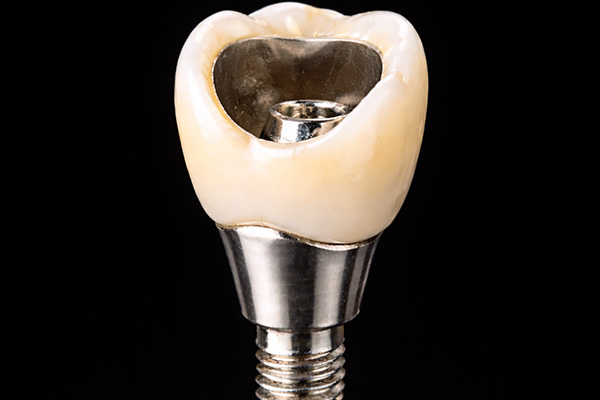
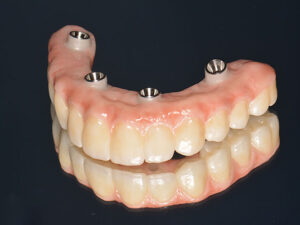
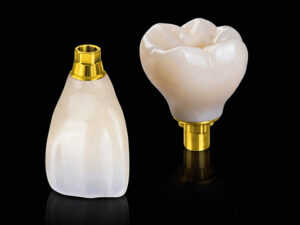
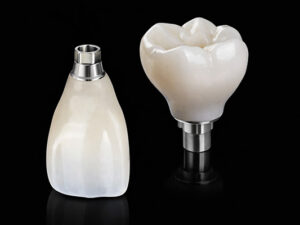
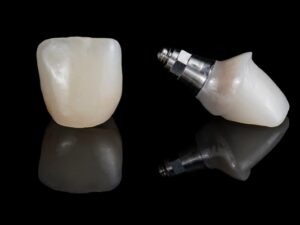
PFM Crown on Implant Abutment is a porcelain fused to metal crown designed for cementation or screw-retention on dental implant abutments. This restoration combines the strength of a metal substructure with high esthetic porcelain overlay, offering precise marginal fit, long term durability, and excellent biocompatibility.
Bestodental manufactures implant-supported PFM crowns with controlled metal framework design and refined porcelain layering to ensure accurate margins, stable occlusal contacts, and predictable esthetic results. The metal substructure provides reliable support while the porcelain ensures natural tooth-like appearance.
Core Features and Advantages:
• PFM crown suitable for implant abutments
• High strength and fracture resistance
• Excellent biocompatibility and tissue response
• Precise CAD/CAM or conventional framework adaptation
• Esthetic porcelain layering for natural appearance
• Suitable for anterior and posterior implant-supported restorat
Specification
Material and Manufacturing
• Noble or high noble metal alloy
• Porcelain veneering on metal substructure
• Monolithic metal substructure with layered porcelain
Turnaround Time
• Standard production time 5 to 6 working days
• Rush service 3 to 4 working days when case complexity allows
Packaging and Delivery
• Individual protective packaging
• Export standard packaging for international shipment
Order Requirements
To ensure accurate production, please provide:
• Clear case information including tooth number, implant type, and restoration plan
• Accurate impressions or intraoral scan files including opposing arch
• Abutment type and dimensions
• Shade selection and porcelain layering preference
• Occlusal considerations and insertion path
• Any additional clinical instructions
Quality Control
• Incoming metal alloy material inspection
• Framework design verification
• Casting accuracy and dimensional control
• Marginal fit and occlusal contact inspection
• Porcelain layer thickness and shade verification
• Final quality inspection prior to shipment