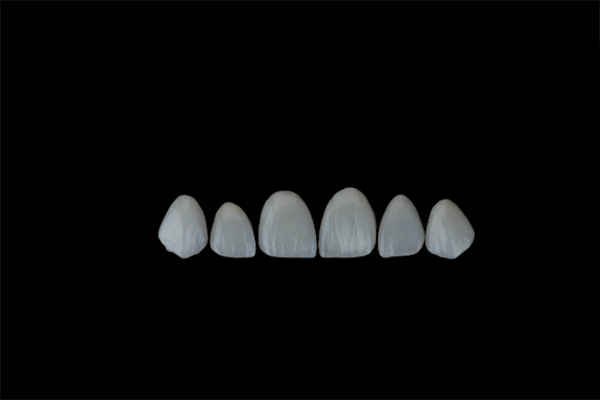
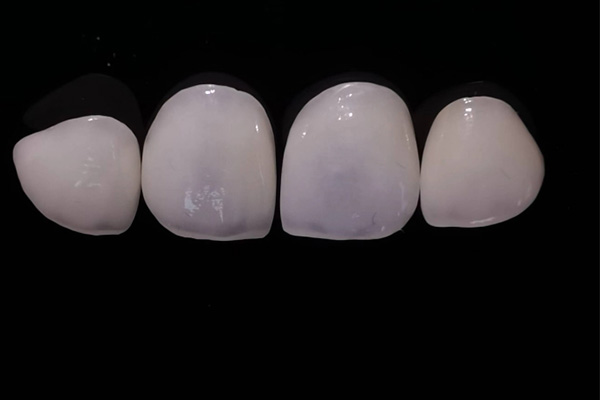
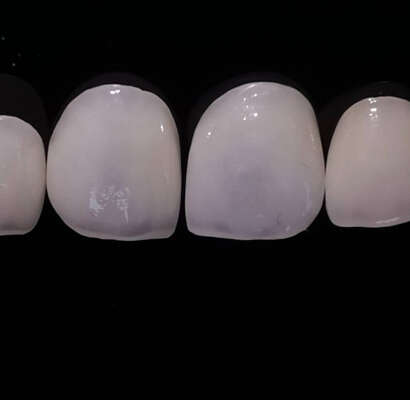
E.Max Veneer

$57.00

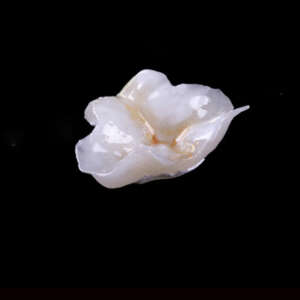
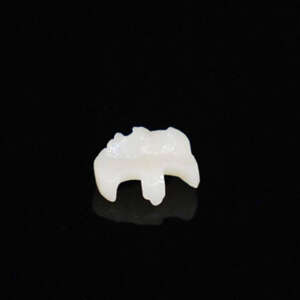
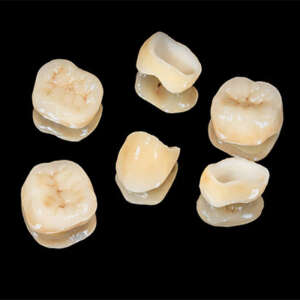
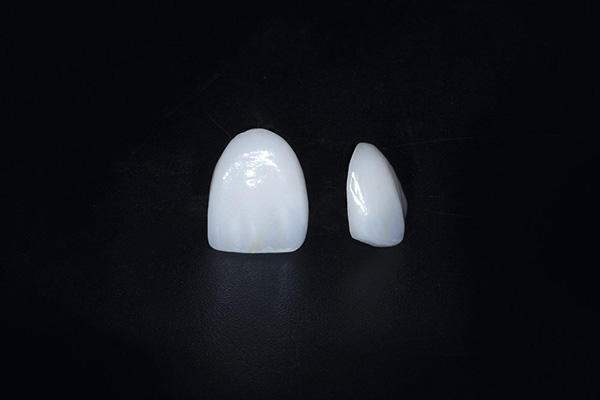
Bestodental provides E.Max Veneer restorations fabricated from lithium disilicate ceramic using digital CAD CAM workflows. These veneers are designed for esthetic focused cases where minimal invasiveness and natural appearance are prioritized.

The following are the clinical indications:
• Anterior teeth with discoloration or shade mismatch
• Minor shape, size, or alignment corrections
• Diastema closure cases
• Patients seeking conservative and metal free esthetic restorations
• Teeth with sufficient enamel for reliable bonding

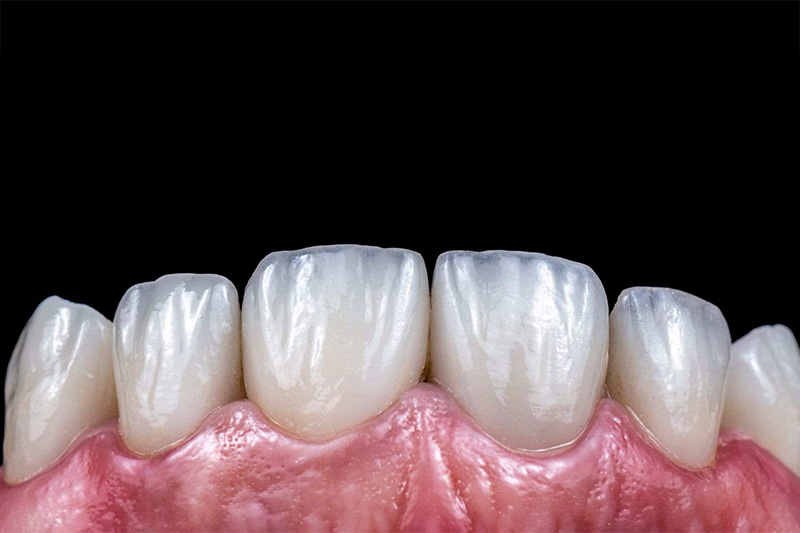
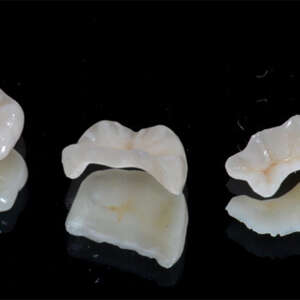
E.Max Veneer is an ultra thin all ceramic veneer made from lithium disilicate glass ceramic, designed to enhance tooth color, shape, and surface texture with minimal tooth preparation. This restoration closely mimics natural enamel, delivering excellent translucency and lifelike esthetics for visible zones.

Bestodental manufactures E.Max Veneers using digital CAD CAM technology combined with precise crystallization and finishing processes. The material allows for conservative preparation while achieving natural shade integration, smooth margins, and predictable bonding performance, making it suitable for high esthetic demand cases.

Core Features and Advantages:
• Lithium disilicate ceramic with high translucency
• Ultra thin design for conservative tooth preparation
• Natural enamel like appearance and color depth
• Digital CAD CAM precision for accurate margins
• Smooth surface finish and good biocompatibility
• Ideal for anterior esthetic enhancement
Specification

Material and Manufacturing
• Lithium disilicate glass ceramic
• Digital CAD CAM design and milling
• Crystallization and precision finishing

Turnaround Time
• Standard production time 4 to 6 working days
• Rush service available upon request

Packaging and Delivery
• Individual protective packaging
• Export standard packaging for international shipment

Order Requirements

To ensure accurate production, please provide:
• Clear case information including tooth number and veneer design
• Accurate impressions or intraoral scan files
• Shade selection and translucency preference
• Preparation margin and finish line details
• Occlusal considerations and opposing arch data
• Any additional esthetic requirements

Quality Control

• Incoming ceramic material inspection
• Digital design and margin verification
• Milling accuracy and crystallization control
• Fit inspection and surface evaluation
• Final quality inspection prior to shipment

Study Case