PFM (CoCr)

$22.00

Bestodental provides PFM (CoCr) restorations designed for functional driven cases where strength, durability, and economic efficiency are prioritized. These restorations are commonly used in posterior regions and situations requiring stable performance under heavy occlusal load.

The following are the clinical indications:
• Posterior crown restorations
• Patients with heavy occlusal force
• Limited esthetic requirement cases
• Functional zones requiring long term durability
• Situations where cost efficiency is a key consideration

Category:

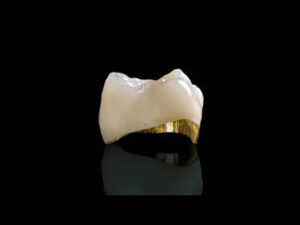
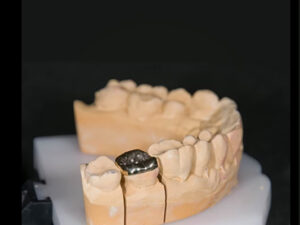
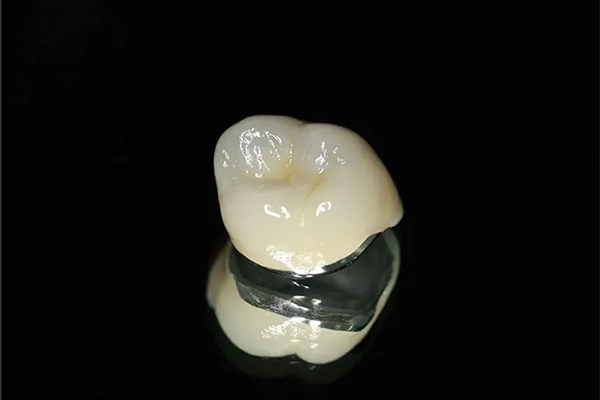
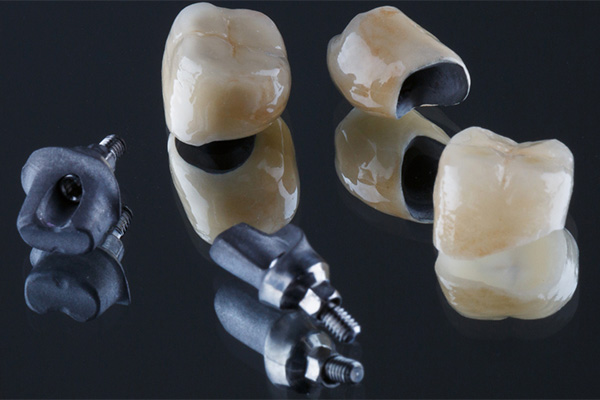
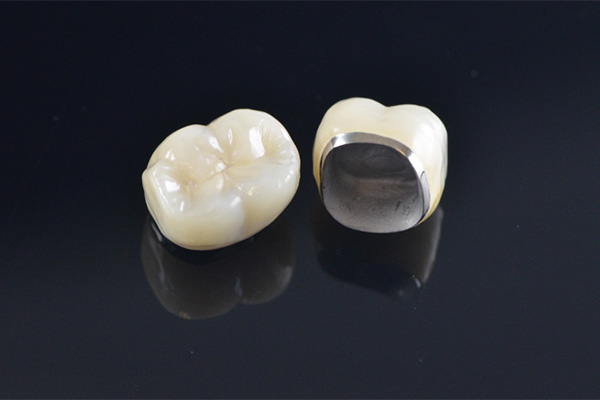
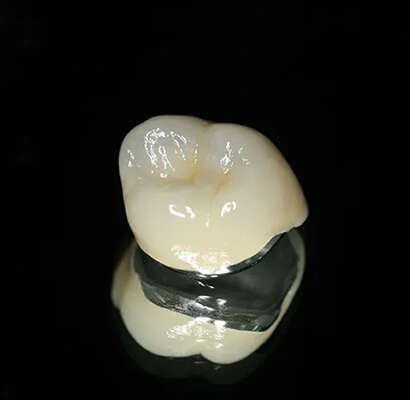
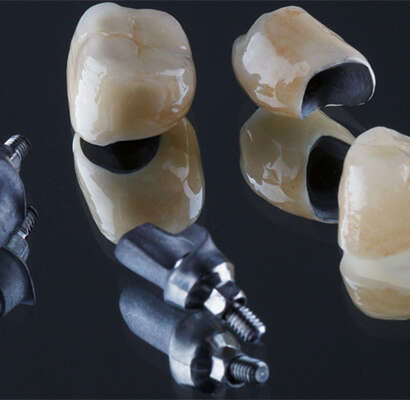
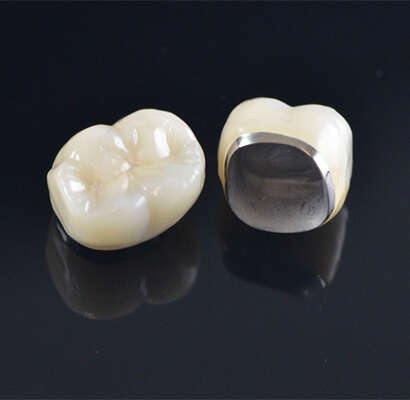
PFM (CoCr) is a porcelain fused to metal restoration using a cobalt chromium alloy substructure combined with porcelain layering. This restoration is designed to provide reliable strength, stable margins, and predictable long term clinical performance, making it suitable for functional restorations where durability and cost control are important.

Bestodental manufactures PFM (CoCr) restorations with controlled metal framework design and consistent porcelain application. The CoCr alloy offers high rigidity and corrosion resistance, while porcelain layering provides acceptable esthetics and occlusal morphology for posterior and functional zones.

Core Features and Advantages:
• Cobalt chromium alloy substructure with porcelain layering
• High strength and rigidity for functional load bearing areas
• Stable marginal fit and occlusal reliability
• Cost effective restoration option
• Proven clinical performance over long term use
• Suitable for posterior and non esthetic critical cases

Specification

Material and Manufacturing
• Cobalt chromium alloy framework
• Porcelain veneering on metal substructure
• Controlled framework design and porcelain layering

Turnaround Time
• Standard production time 5 to 7 working days
• Rush service 3 to 4 working days when case complexity allows

Packaging and Delivery
• Individual protective packaging
• Export standard packaging for international shipment

Order Requirements

To ensure accurate production, please provide:
• Clear case information including tooth number and restoration type
• Accurate impressions or intraoral scan files
• Shade selection and porcelain layering preference
• Margin design and finish line details
• Occlusal considerations and opposing arch data
• Any additional clinical instructions

Quality Control

• Incoming alloy material inspection
• Metal framework design and fabrication verification
• Porcelain layering thickness and shade control
• Fit inspection and occlusal evaluation
• Final quality inspection prior to shipment

Study Case