E.Max CAD Inlay

$74.00

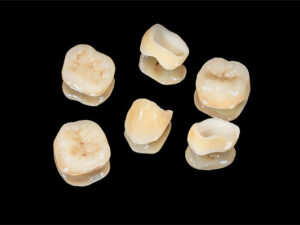
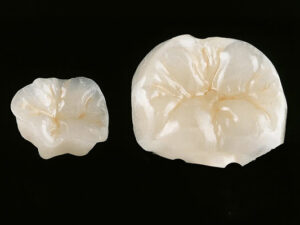
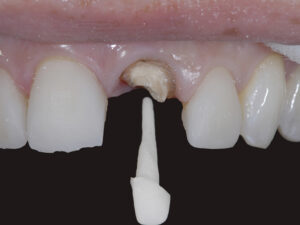
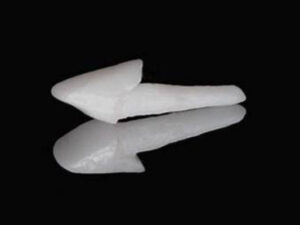
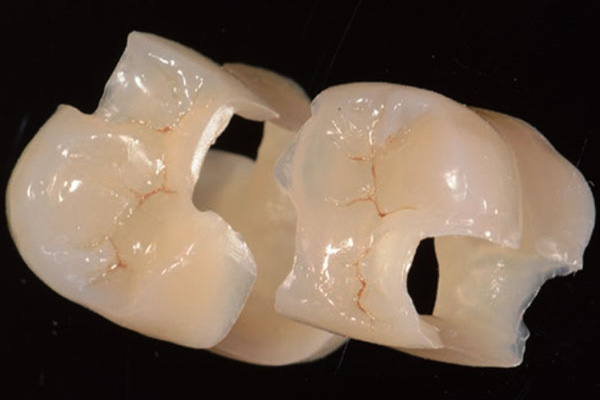
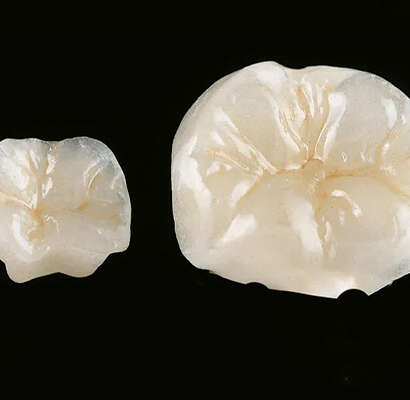
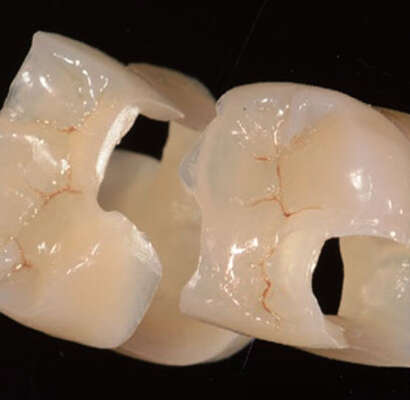
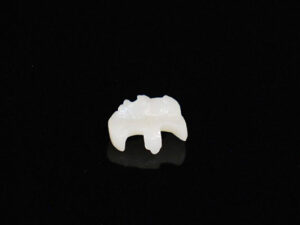
Bestodental provides E.Max CAD Inlay restorations designed as conservative, metal free solutions for partial tooth structure replacement. These restorations are intended for cases where preservation of natural tooth tissue, esthetics, and precise fit are prioritized.

The following are the clinical indications:
• Small to moderate internal tooth defects
• Replacement of failed composite restorations
• Esthetic restorations in premolar and visible posterior regions
• Patients preferring metal free conservative restorations
• Teeth with sufficient enamel for adhesive bonding

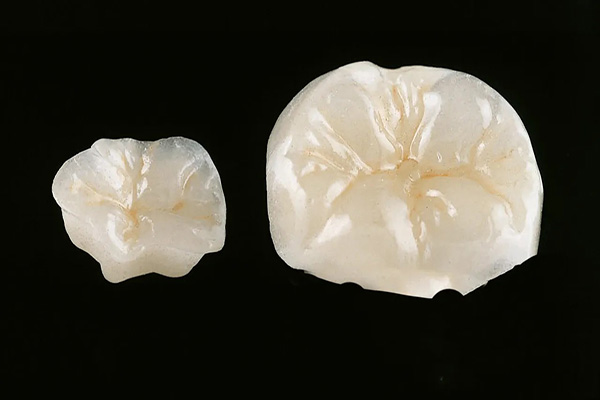
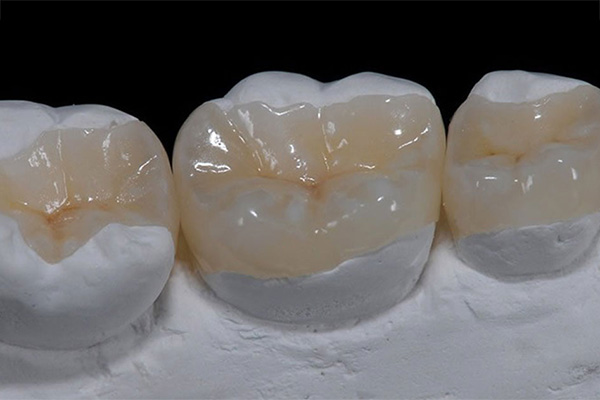
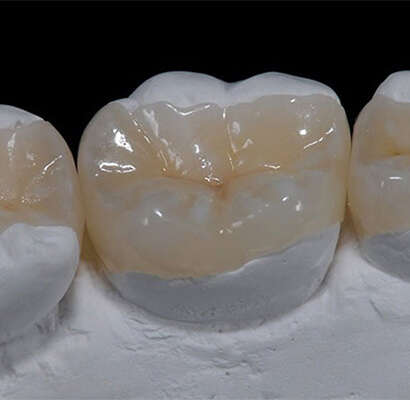
E.Max CAD Inlay is a digitally milled all ceramic indirect restoration made from lithium disilicate glass ceramic, designed to restore internal tooth defects while preserving maximum healthy tooth structure. This restoration provides excellent translucency, natural color integration, and reliable functional performance for esthetic and conservative restorations.

Bestodental produces E.Max CAD Inlays with controlled thickness and precise margins to ensure predictable bonding and stable clinical outcomes. Compared with direct fillings, this solution offers improved strength, wear resistance, and long term durability while maintaining a natural tooth appearance.

Core Features and Advantages:
• Lithium disilicate ceramic with high translucency
• Conservative inlay design preserving natural tooth structure
• Natural enamel like appearance and color integration
• Stable thickness control for predictable bonding
• Smooth surface finish and good biocompatibility
• Suitable for esthetic and functional inlay restorations

Specification

Material and Manufacturing
• Lithium disilicate glass ceramic
• Digital CAD CAM design and milling
• CAD milled inlay structure with controlled thickness

Turnaround Time
• Standard production time 4 to 6 working days
• Rush service available upon request

Packaging and Delivery
• Individual protective packaging
• Export standard packaging for international shipment

Order Requirements

To ensure accurate production, please provide:
• Clear case information including tooth number and inlay design
• Accurate impressions or intraoral scan files
• Cavity preparation details and margin design
• Shade selection and translucency preference
• Occlusal considerations and opposing arch data
• Any additional clinical instructions

Quality Control

• Incoming ceramic material inspection
• Digital design and margin verification
• Milling accuracy and crystallization control
• Fit inspection and surface evaluation
• Final quality inspection prior to shipment

Study Case